
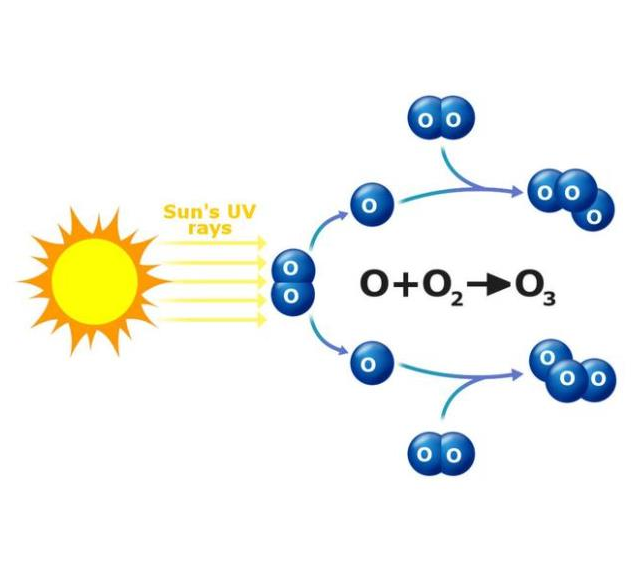
According to the way of ozone generation, there are three main types of ozone generators: high-voltage discharge type and ultraviolet irradiation type.
1.Electrolytic. At present, most of the world is high-voltage discharge type.
- High voltage discharge generator
This type of ozone generator uses a high-voltage current of a certain frequency to create a high-voltage corona electric field, so that the oxygen molecules in or around the electric field undergo electrochemical reactions, thereby producing ozone. search
This kind of ozone generator has the advantages of mature technology, stable operation, long service life and large ozone output (single machine can reach 1Kg/h), so it is the most widely used ozone generator in related industries at home and abroad. High-voltage discharge ozone generators are divided into the following types:
- According to the high-voltage electrical frequency of the generator, there are three types:power frequency (50-60Hz), intermediate frequency (400-1000Hz) and high frequency (>1000Hz). Due to the disadvantages of large size and high power consumption, power frequency generators have basically withdrawn from the market. Medium and high frequency generators have the advantages of small size, low power consumption and large ozone output, and are the most commonly used products. 2. According to the gas raw materials used, there are two types: oxygen type and air type. The oxygen type is usually supplied with oxygen from an oxygen cylinder or an oxygen generator. Air type usually uses clean and dry compressed air as raw material. Since ozone is produced by oxygen, and the oxygen content in the air is only 21%, the ozone concentration produced by the air generator is relatively low, and the oxygen purity of the bottled or oxygen generator is above 90%, so the oxygen type The ozone concentration of the generator is high.
- According to the cooling method, there are water-cooled and air-cooled.When the ozone generator is working, it will generate a lot of heat energy, and it needs to be cooled, otherwise the ozone will be decomposed due to the high temperature. The water-cooled generator has good cooling effect, stable operation, no ozone attenuation, and can work continuously for a long time, but the structure is complex and the cost is slightly higher. The air-cooled cooling effect is not ideal, and the ozone attenuation is obvious. High-performance ozone generators with stable overall performance are usually water-cooled. Air cooling is generally only used for low- and medium-grade ozone generators with small ozone production. When choosing a generator, try to use a water-cooled type.
- Divided by dielectric materials, there are several common types such as quartz tube (a kind of glass), ceramic plate, ceramic tube, glass tube and enamel tube. At present, ozone generators made of various dielectric materials are sold on the market, and their performance is different. Glass dielectrics have low cost and stable performance. It is one of the earliest materials used for artificial ozone production, but its mechanical strength is poor. Ceramics are similar to glass, but ceramics are not suitable for processing, especially in large ozone machines. Enamel is a new type of dielectric material. The medium and the electrode are integrated with high mechanical strength and high precision machining accuracy. It is widely used in large and medium-sized ozone generators, but the manufacturing cost is high.
- According to the structure of the ozone generator, there are two types of gap discharge type (DBD) and open type. The structural feature of the gap discharge type is that ozone generates ozone in the gap between the inner and outer electrodes, and the ozone can be collected and output in a concentrated manner, such as for water treatment. The electrode of the open generator is exposed in the air, and the generated ozone is directly diffused into the air. Because the ozone concentration is low, it is usually only used for air sterilization in a small space or surface disinfection of some small items. Gap discharge generators can be used in place of open generators. But the cost of gap discharge ozone generator is much higher than that of open type.
- Ultraviolet ozone generator
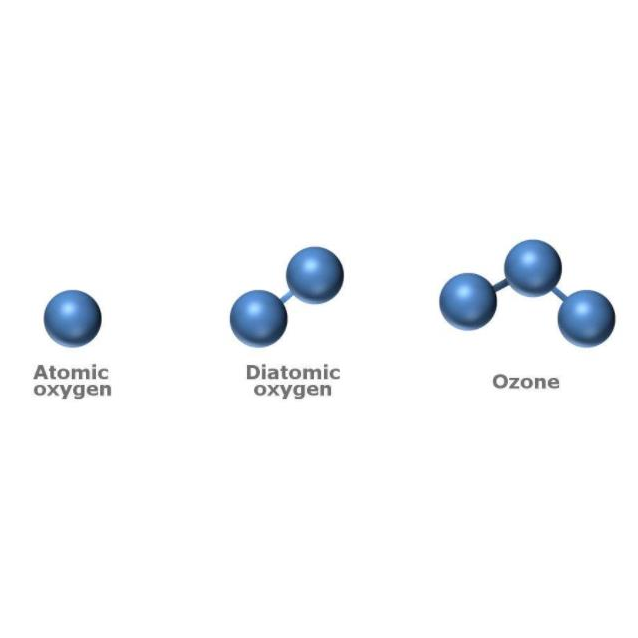
This type of ozone generator uses ultraviolet rays of a specific wavelength (185mm) to irradiate oxygen molecules to decompose the oxygen molecules to generate ozone. Due to the large size of the UV lamp tube, low ozone production and short service life, this kind of generator has a narrow range of use and is commonly used in disinfection cupboards. At present, some scholars have also applied it to simulate the atmospheric environment to study the impact of ozone on organisms.
- Electrolytic generator
This type of ozone generator usually produces ozone by electrolyzing pure water. The generator can produce high-concentration ozone water, has low manufacturing cost, and is simple to use and maintain. However, due to the shortcomings of the inability to increase the ozone output, the short service life of the electrode, and the difficulty in collecting ozone, the scope of its use is limited. At present, this kind of generator is only used in some specific small equipment or in some specific places, and does not have the conditions to replace the high-voltage discharge generator.