How does dry ice blasting machine work?
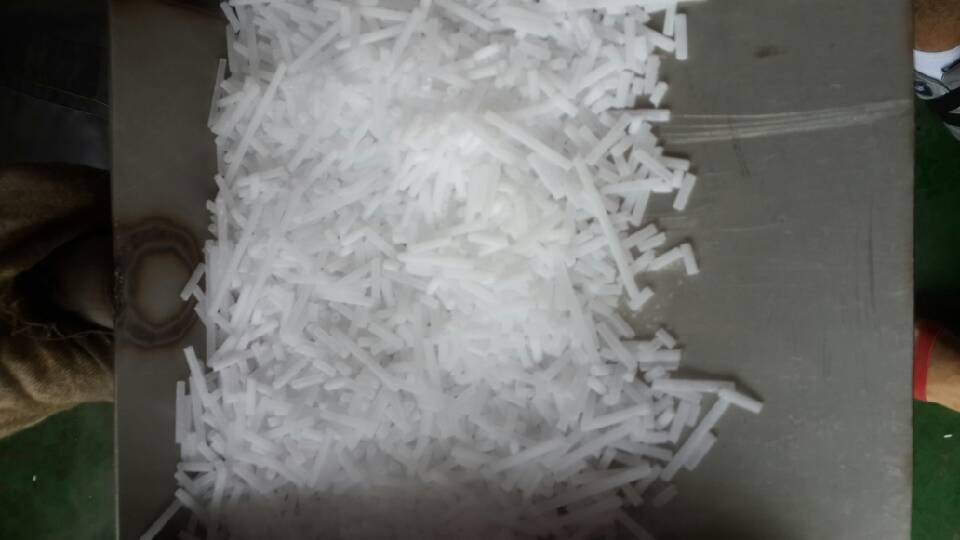
It is used as dry ice blast cleaning, rice grains are large dry ice particles (spheres), which are sprayed on the surface at high speed (speed of sound) for cleaning. The following are three physical effects:
Thermal energy
Temperature difference between dirt layers (cold shock -79°C);
Kinetic energy
The particles have low hardness (2 Mohs) at high speeds and do not damage the surface.
Mechanical energy
Particles in contact with the surface to be cleaned means that they change from solid to gaseous. The volume of the particles increased to 700 times their size.
The particles destroy the contamination and separate it without damaging the surface. There is no grease on the surface.
What is dry ice?
Dry ice is solid carbon dioxide (CO2), which sublimates under normal conditions at -79°C, that is, directly enters the gas phase without melting first. Dry ice is prepared by depressurizing carbon dioxide under pressure. Part of the carbon dioxide evaporates, thereby extracting the heat required for evaporation from the rest, thereby cooling it. The result is so-called frozen carbonated snow. Then press it into the desired shape according to the application.
There are many fields and industries that can use dry ice to clean effectively and economically, and many fields and industries can prove its advantages over traditional cleaning methods. Below we show you some industries and the purpose of cleaning and removal:
Production Industry:
Mechanical engineering, mold making, foundry, rubber engineering, rolling mill, cardboard and corrugated board production, particle board and synthetic resin board production, fire protection, asbestos removal, chemical industry, textile industry, food industry, slaughterhouse, butcher, smokehouse, commercial Kitchens, garages, bus and truck repairs, railways, aircraft manufacturing and maintenance, shipyards, painting, spraying and coating equipment, electroplating and others.
Cleaning:
Styrofoam, molds in the plastics and rubber industries, die-casting tools, printing presses, web printing presses, flat waffle furnaces, engines, engines, turbines, elevators, escalators, centrifuges, conveyor systems, tanks and boiler systems , Air conditioning and ventilation systems, wood, metal, rims, plastic, concrete, natural stone, artificial stone, brick, exterior walls, electrical parts, plastic furniture, tents, tunnels, bridges, ships, cheese wheels, bacon bandages, etc.
Surface treatment:
Grease, oil, plastic residue, rust, soot, asbestos, crust, slag, lime, urinary stone, Teflon, asphalt, PU foam, graffiti, chewing gum, pigeon droppings, paint, varnish, glue, sealant , Release agent, antifouling, algae, moss, etc.
What does the dry ice cleaning process require?
For dry ice cleaning, you need the following equipment:
Compressed air (mobile or stationary compressor)
Dry ice pellets
Dry ice washing machine
Occupational safety measures (hearing and face protection, gloves, etc.)
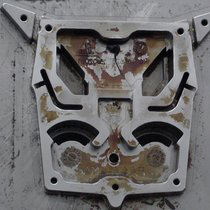
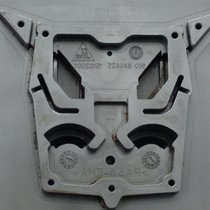
Comparison before and after cleaning
To illustrate the effectiveness of our dry ice cleaners, we have compiled 2 photos of before and after cleaning operations in the gallery below.