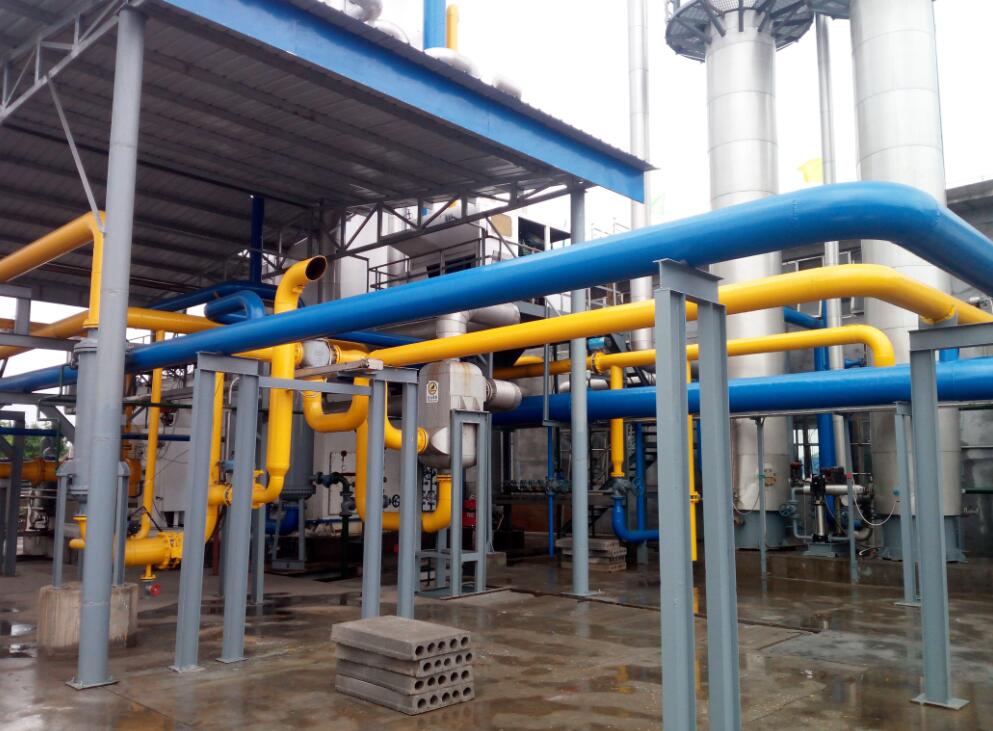
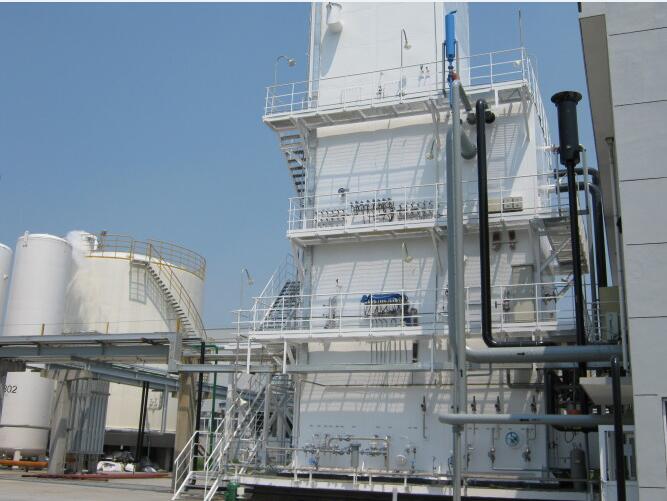
Cryogenic air separation equipment is composed of the following four parts: air compression, expansion and refrigeration; removal of moisture and impurities in the air; air cooling and liquefaction through heat exchange; air rectification and separation; cold recovery and compression of low-temperature products. Each part is realized in different ways and equipment, and constitutes different processes.
Features of the equipment
To make oxygen by cryogenic method, firstly, air is liquefied, and then oxygen and nitrogen are separated according to their different boiling points. Air liquefaction must lower the temperature to below -140.6°C. Generally, air separation is carried out in the temperature range of -172 to -194°C. Oxygen production plant also called Oxygen Generator Equipment--The equipment for producing oxygen by cryogenic method has the following characteristics:
1) Low-temperature containers and pipelines such as low-temperature heat exchangers, rectification towers, etc. are placed in the cold storage box and filled with insulation materials with low thermal conductivity to prevent heat from being introduced from the surroundings and reduce cold loss, otherwise the liquid oxygen plant cannot operate;
2) The materials used to manufacture low-temperature equipment require sufficient strength and toughness at low temperatures, as well as good welding and processing properties. Commonly used aluminum alloy, copper alloy, stainless steel and other materials;
3) High-boiling impurities in the air, such as moisture, carbon dioxide, etc., should be removed in advance at room temperature. Otherwise, the channels in the equipment will be blocked and the Oxygen Plant device will not work;
4) Airtight containers for storing cryogenic liquids. When heat is introduced from the outside, part of the cryogenic liquid will absorb heat and vaporize, and the pressure will automatically rise. To prevent overpressure of Air Separation Plant, reliable safety devices must be installed;
5) Leakage of cryogenic liquid into the foundation will freeze and crack the foundation and tilt the equipment. Therefore, the sealing of equipment, pipelines and valves must be ensured, and the possible stress and deformation of thermal expansion and contraction must be considered;
6) The long-term impact of low temperature liquid on the carbon steel plate will make the steel plate brittle. Therefore, carbon steel products cannot be used for the pipes and discharge tanks for discharging cryogenic liquids;
7) Nitrogen and Argon are suffocating gases, and their liquid discharge pipes should be led outdoors. The gas discharge pipe should have a certain discharge height, and the discharge port cannot face the platform stairs;
8) Oxygen is a strong combustion-supporting agent, and its discharge pipe cannot be directly discharged in an unventilated workshop.