
In 1840, German chemist Schönbein discovered a special odor gas when electrolyzing dilute sulfuric acid, whose molecular weight was three times that of atomic oxygen, namely O₃, and called it ozone.
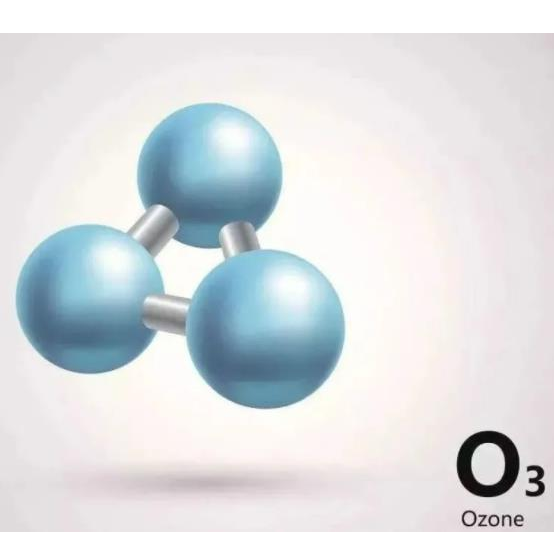
The English name of ozone is Ozone, and the molecular formula of ozone is O₃. It is a sky blue odorous gas, the liquid is dark black, and the solid is blue-black. Ozone is mainly found in the ozone layer in the lower part of the stratosphere, 20 kilometers from the Earth's surface. It absorbs, blocks and weakens harmful short-wave ultraviolet rays, preventing them from reaching the earth.
Since the discovery and use of ozone, humans have been testing the sterilization properties of ozone, and found that ozone has a strong bactericidal effect and can kill bacteria known on the earth.
- Ozone can oxidize and decompose the enzymes needed to degrade glucose inside the bacteria, so that the TCA cycle cannot be carried out, resulting in the inability to supply the ATP required for cell life activities, and the bacteria are inactivated and died.
- Directly interact with bacteria and viruses, destroy their organelles, DNA and RNA, destroy the metabolism of bacteria, and cause bacterial death.
- It penetrates through the cell membrane tissue, invades the cell, and acts on the lipoprotein of the outer membrane and the lipopolysaccharide inside, causing the bacteria to undergo permeability distortion and dissolve and die.