
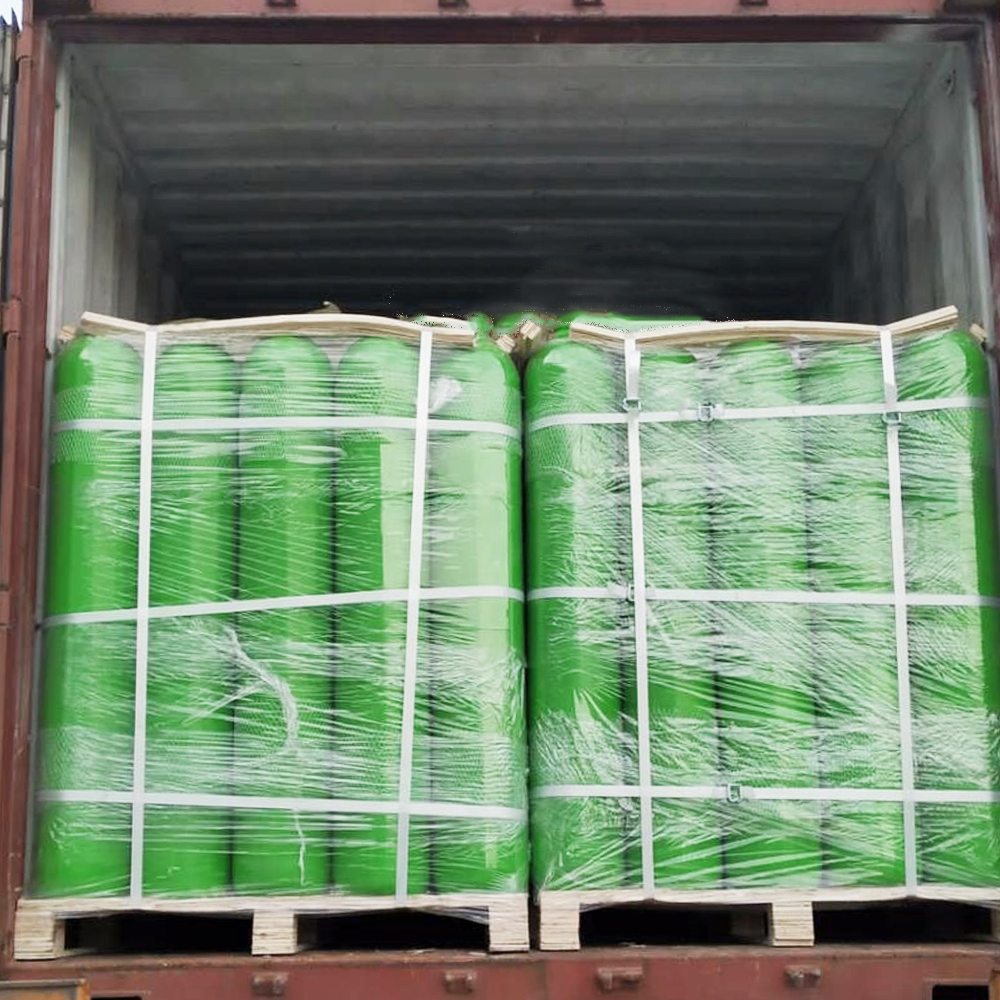
The process of exporting gases by air is a complex and rigorous task, especially for two types of gases, namely compressed gases and liquefied gases. This type of gas has special safety requirements during transportation, so its air export process is strictly regulated. The following is a detailed analysis of the gas air export process:
Firstly, exporters need to clarify whether the gas being transported belongs to Class 2 dangerous goods and understand the relevant international air transport regulations. According to the regulations of the International Air Transport Association (IATA), only Class 2 gases that meet certain safety standards are allowed to be transported by air. These standards include but are not limited to the properties of gases, the quality of packaging containers, and temperature and pressure control during transportation. Therefore, before preparing for air export, exporters need to apply to relevant departments and obtain an export license. During the application process, the exporter needs to provide detailed information about the goods, including the type, quantity, packaging method, etc. of the gas, as well as proof of compliance with safety transportation requirements.
After obtaining the export license, the exporter needs to cooperate with the airline to arrange the transportation of the goods. During this process, the airline will conduct strict inspections on the cargo to ensure that it meets air freight requirements. Meanwhile, exporters also need to provide transportation insurance for the goods to cope with potential risks.
In terms of packaging of goods, special packaging containers are required for Class 2 gases to ensure their safety during transportation. These packaging containers usually have characteristics such as pressure resistance, corrosion resistance, and leak prevention, which can effectively protect gases from damage during transportation. In addition, clear hazardous material identification and transportation information need to be affixed to the packaging container for identification and handling during transportation.
Next, we will provide a detailed analysis of the specific process for exporting gas by air:
1.Booking and document preparation
Exporters first need to book cabin space with airlines or freight forwarding companies. During the booking process, exporters need to provide detailed information about the goods, including product name, quantity, packaging method, transportation requirements, etc. At the same time, relevant documents and materials need to be provided, such as the English version of MSDS (Material Safety Data Sheet), hazardous packaging certificate or pot inspection certificate (for goods that require special packaging), booking authorization letter, etc. These documents and materials are important basis for airlines to review whether the goods meet the requirements for air transportation.
2.Declaration and Approval of Dangerous Goods
After successful booking, the exporter needs to submit a dangerous goods declaration to the airline or relevant regulatory authorities. The declaration content includes the nature, quantity, packaging method, transportation route, etc. of the goods. At the same time, relevant supporting documents such as dangerous goods transportation license, packaging container inspection report, etc. need to be provided. The relevant departments will review the declaration content to ensure that the goods meet the air freight requirements. After approval, a dangerous goods transportation approval letter will be issued, allowing the goods to be transported by air.
3.Packaging and Marking of Goods
During the preparation stage of goods, exporters need to package and label the goods in accordance with relevant regulations. The packaging container needs to comply with the regulations of the International Air Transport Association and have sufficient strength and sealing. At the same time, clear hazardous material identification and transportation information such as UN number, category label, hazard warning label, etc. need to be affixed to the packaging container. These markings and information help identify and handle hazardous materials during transportation.
4.Freight consignment and security check
After the packaging and labeling of the goods are completed, the exporter needs to hand over the goods to the airline or freight forwarding company for shipment. During the consignment process, airlines or freight forwarding companies will conduct safety checks on the goods to ensure they meet air freight requirements. The inspection includes the integrity of packaging containers, clarity of hazardous material labeling, weight and size of goods, etc. After passing the inspection, the goods will be arranged for loading and transportation.
5.Monitoring and management during transportation
During transportation, airlines or freight forwarding companies need to monitor and manage the goods throughout the entire process. This includes the loading, transportation, unloading, and other stages of the goods. During the loading process, it is necessary to ensure that the goods are correctly placed on the aircraft and secured to prevent movement or leakage during transportation. During transportation, it is necessary to regularly check the condition of the goods to ensure that they are in a safe state. During the unloading process, it is necessary to follow relevant regulations to ensure the safe unloading and delivery of the goods to the consignee.
6.Customs clearance and delivery upon arrival at the destination
After the goods arrive at the destination, customs clearance procedures are required. The customs clearance procedures include customs inspection, payment of taxes and fees, and other processes. During the customs clearance process, relevant documents such as bills of lading, invoices, packing lists, etc. need to be provided. After customs clearance, the goods will be delivered to the consignee. The consignee needs to receive and handle the goods in accordance with relevant regulations to ensure the safe use of the goods.
Air Separation Plant/Nitrous oxide plant/CO2 recovery plant/Hydrogen plant/Acetylene Plant/Mobile Tank/ISO Tank Container/Cryogenic Storage Tank/LPG Storage Tank/Cryogenic Pump/Micro Bulk Tank Solutions/Cryogenic Semi Trailer Transport Tanker/LPG Semi Trailer Tanker/Dewar Flask/Vaporizer/Cylinders/Dry ice making machine/Calcium Carbide
Product series : Air Separation Plant | Cryogenic Storage Tanks | ISO tanks | Semi Trailer | Vaporizers | Pumps | Dewar Flasks| Dry Ice Machines | Cylinders