
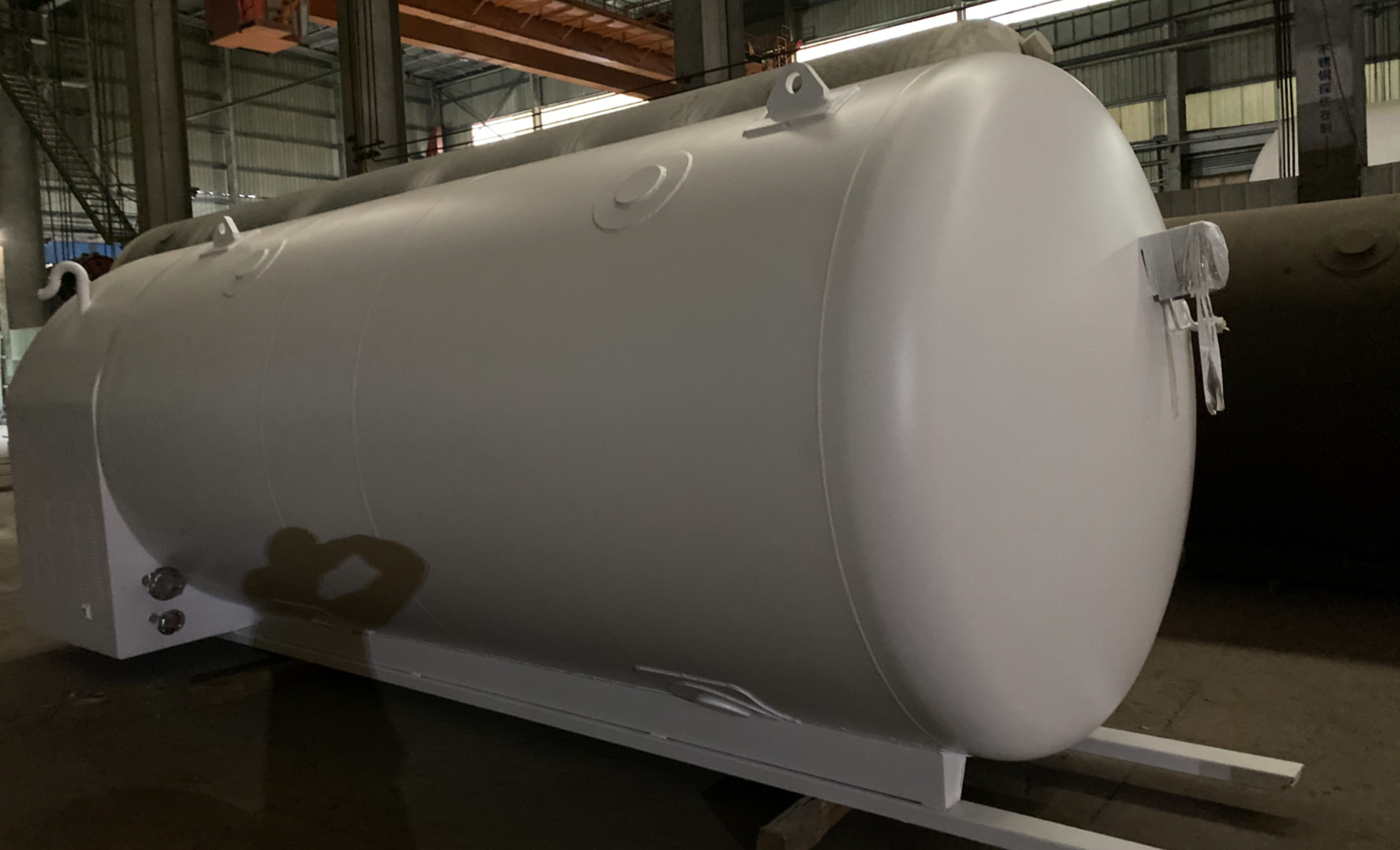
Under the epidemic, India is severely "hypoxic", and many people are desperately waiting to die. Is it so difficult to produce oxygen?
The covid epidemic in India has reached its peak, and a large number of critically ill patients are in urgent need of oxygen treatment. However, the production capacity of Indian oxygen production enterprises is seriously insufficient, causing more and more people to suffocate and die in the long wait.
Insufficient oxygen supply in India
Oxygen is not scarce, 21% of the air is oxygen, which is enough for our needs. But for patients with severely damaged lungs, they need higher concentrations of pure oxygen to stay alive. We stipulate that the concentration of medical grade oxygen is not lower than 99.5%. The USA USP standard is not lower than 93%. The Indian regulations are between 90% and 96%, so the requirements are relatively loose.
How is pure oxygen produced? Is the shortage of oxygen supply in India due to high cost, complex technology or something else?
Most of the friends who have studied chemistry know that electrolysis of water can produce hydrogen and oxygen. When we apply direct current to the water, the current will disassemble the water molecules, and oxygen will be generated at the positive electrode of the power supply, while hydrogen will be generated at the negative electrode. It should be noted that direct current is required to produce gas by electrolysis, otherwise hydrogen and oxygen will be mixed together.
Electrolyzed water to obtain oxygen
In general, industrial oxygen production does not use electrolysis. Although the oxygen purity is high, the cost is also high.
If you have ever been on a plane, you can see a beautiful flight attendant demonstrating how to use an oxygen mask before takeoff: When the cabin is depressurized during the flight, the oxygen mask above your head will automatically fall off, and you pull down the mask with a little force and then put it on your head. You can breathe pure oxygen for about 20 minutes. Some friends think that every seat is equipped with an oxygen tank, but this is not the case. It relies on chemical reactions to generate oxygen.
Airplanes have oxygen generators
There is a set of chemical oxygen generators above the plane seats, which mainly contain sodium chlorate (NaClO3) and other compounds. When the oxygen mask is pulled down, the exothermic chemicals are mixed together to release high temperature of more than 260°C. The sodium chlorate is in Decomposes into sodium chloride (salt) and oxygen at high temperature.
2 NaClO3 → 2 NaCl + 3 O2
The advantage of making oxygen in this way is that it is fast and does not depend on air, so it is more suitable for use in confined spaces such as aircraft and submarines. Its disadvantage is that the cost is too high, and it can only be used for tens of minutes at most, and it is not suitable for sustaining the patient's life. Medical oxygen used in hospitals is usually produced industrially.
Filling oxygen cylinders in the factory
In the final analysis, industrial oxygen production is to use the physical properties of gas to separate oxygen from space.
Most substances generally come in three forms: solid, liquid and gaseous. Gases can also become liquids or even solids as long as the temperature is low enough. In the factory, the air is pressurized while cooling, which can greatly increase the liquefaction temperature of the gas. At a standard atmospheric pressure, the liquefaction temperature of oxygen is 90.2K (Kelvin), nitrogen is 77.4K, and carbon dioxide will directly condense into a solid at 194.7K. As the temperature decreases, a small amount of water vapor and carbon dioxide in the air are first filtered out, and then the oxygen will become a liquid and be separated from the air, a process called fractionation.
Fractional distillation of oxygen
Fractional distillation can obtain oxygen with a purity of more than 99%, but this method requires a complex set of equipment, and the process of cooling and pressurization is also relatively energy-intensive. Most of the oxygen plants in India use the method of pressurized adsorption to separate oxygen.
Dry air is about 78.1% nitrogen and 21% oxygen, and other gases account for very little. Oxygen and nitrogen have different molecular sizes, so filtration can be used to separate the two gases.
Zeolite is an aluminosilicate mineral, known as a "molecular sponge". It can be mined naturally or synthesized artificially, and the overall cost is not high. The zeolite molecules combine into a porous structure that allows small molecules to pass through, while larger molecules are blocked on the other side.
Separation of oxygen by molecular sieves of zeolites
Since there is no need for pressurized refrigeration, and there are no complicated and expensive fractionation towers, molecular filtration with zeolite is extremely simple, and our common household oxygen generators use this kind of equipment. The difference is that the factory oxygen production equipment is much larger, and the gas production will be higher.
After reading this, you should understand: oxygen is not a rare thing on earth, and the technology for extracting it is not complicated. As long as you have the most basic industrial means, you can separate enough pure oxygen from the air to satisfy patients' needs. The premise is that you have to make an accurate judgment on its development trend more than a year after the outbreak, build enough oxygen plants, and ensure power supply. If you do, you can save many lives, otherwise you can only count on enough firewood and Ganges water.