
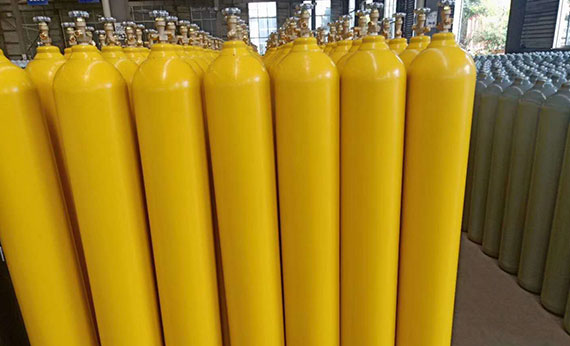
P10 gas (or a gas with a similar name, commonly known as argon methane, is a non-toxic, colorless, odorless, and non flammable compressed mixed gas) has a wide range of applications in various industrial, scientific, or experimental environments. The following is a general description of the use of P10 gas:
1.Gas storage
1). P10 gas is usually stored in high-pressure steel cylinders. Before use, ensure that the gas cylinder is in an upright position and check whether the cylinder valve, pressure gauge, and safety device are intact.
2). The storage area should be kept away from heat sources, fire sources, and sources of static electricity, ensuring good ventilation and complying with relevant safety regulations.
2. Preparation for use
1). Wear appropriate protective equipment such as goggles, gloves, and long sleeved clothing to prevent direct contact of gas with the skin or eyes.
2). Before using gas, ensure that all connecting pipelines, valves, and instruments are closed.
3. Gas connection and regulation
1). Use specialized tools to connect gas pipelines and gas cylinders, ensuring a tight and leak free connection.
2). Gently open the valve of the gas cylinder and check for any leaks in the gas pipeline. If there is a leak, the valve should be immediately closed and the cause investigated.
3). Use a gas flow meter or pressure gauge to regulate the gas flow rate, ensuring it is within a safe and reasonable range.
4. Usage process
1). During the experiment or work process, the gas flow rate and pressure should be regularly monitored to ensure that they are within a safe range.
2). Follow operating procedures to avoid direct discharge of gas into the atmosphere or unnecessary contact with other substances.
3).If there is any abnormal situation (such as sudden increase in gas flow rate, abnormal pressure, etc.), the gas valve should be immediately closed and the cause should be investigated.
5. Handling after use
1). After use, close the gas cylinder valve and disconnect the gas pipeline connection.
2). Check the gas cylinder and pressure gauge to ensure they are in a safe condition. If there is any damage or abnormal situation, it should be promptly reported for repair or replacement.
3). Clean up the site to ensure there are no leaks or safety hazards.
Air Separation Plant/Nitrous oxide plant/CO2 recovery plant/Hydrogen plant/Acetylene Plant/Mobile Tank/ISO Tank Container/Cryogenic Storage Tank/LPG Storage Tank/Cryogenic Pump/Micro Bulk Tank Solutions/Cryogenic Semi Trailer Transport Tanker/LPG Semi Trailer Tanker/Dewar Flask/Vaporizer/Cylinders/Dry ice making machine/Calcium Carbide