
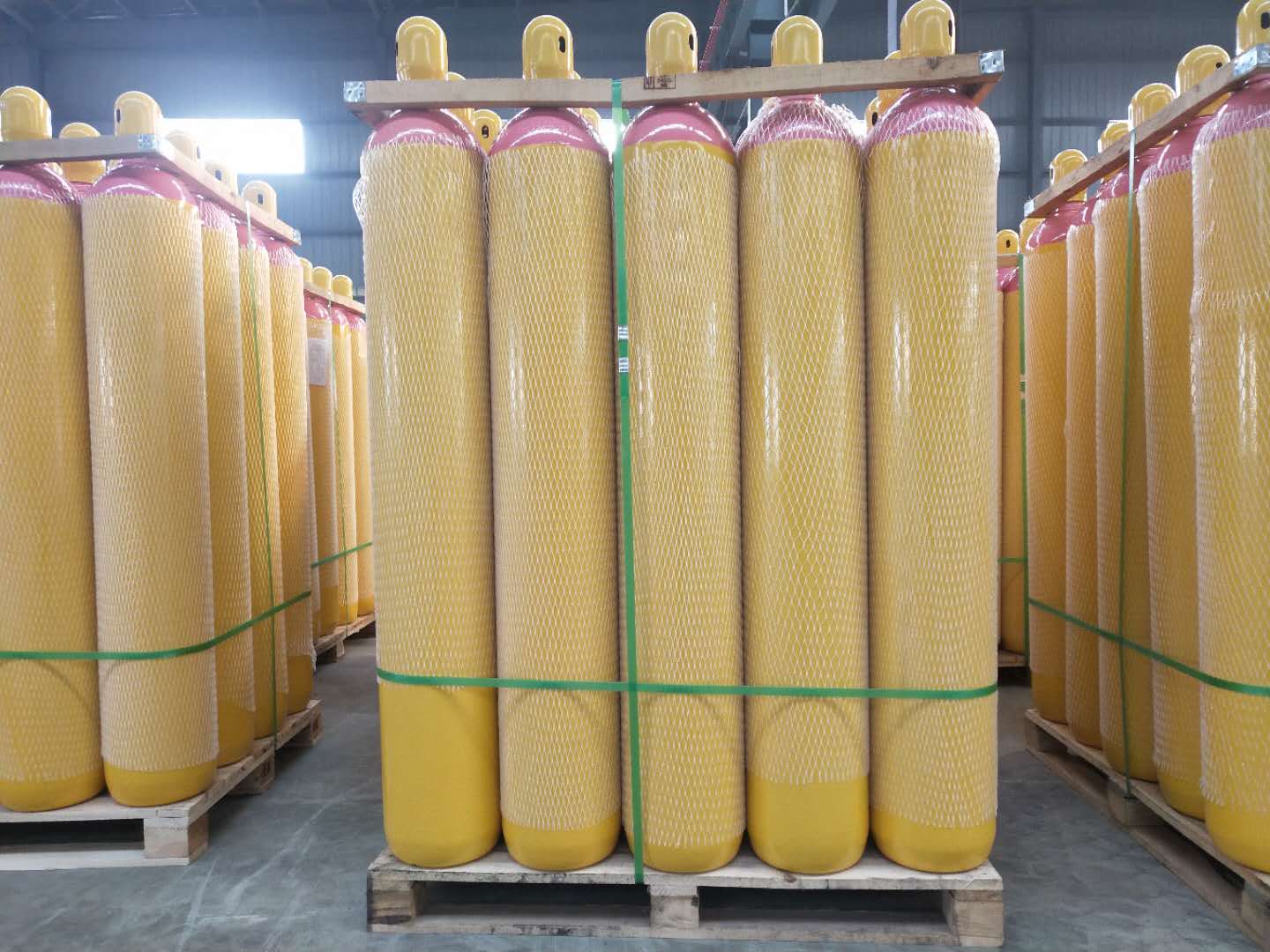
Standard gases have certain hazards and are classified as dangerous goods in certain situations.
1.In terms of chemical properties
- A standard gas is usually a mixture of two or more gases. Some standard gases may contain combustible gases (such as hydrogen, carbon monoxide, etc.), toxic gases (such as hydrogen sulfide, chlorine, etc.), or combustion supporting gases (such as oxygen). If it contains combustible gas components, when mixed with air to a certain proportion, it will form a combustible mixture, which may ignite or even explode when encountering energy sources such as fire sources. For example, the explosive limit of hydrogen in air is 4.0% -75.6% (volume fraction). If the hydrogen content in the standard gas is appropriate and leaks into the air, it will explode when exposed to open flames, static electricity, etc.
- The standard gas with toxic gas components, even if leaked in small amounts, can cause serious harm to human health. For example, hydrogen sulfide is a highly toxic gas, and inhaling a small amount of high concentration hydrogen sulfide in the human body can be fatal in a short period of time. When a standard gas containing hydrogen sulfide leaks, personnel in the surrounding environment will face the risk of poisoning.
- In terms of physical properties
Some standard gases are stored under high pressure. If a high-pressure gas container ruptures or leaks, the instantaneous release of gas will generate a strong impact force, causing physical harm to people and equipment around it. For example, if a steel cylinder containing high-pressure standard gas ruptures due to collision, corrosion, etc., the high-speed ejected gas may knock down nearby personnel and damage surrounding instruments and equipment.
3.Regarding usage and transportation regulation
- Due to the potential hazards of standard gases, they are managed in accordance with relevant regulations for hazardous chemicals during transportation. For example, in China, the transportation of hazardous chemicals, including standard gases containing hazardous components, requires specialized transportation qualifications, and transportation vehicles must comply with corresponding safety standards, such as equipped with fire prevention, explosion prevention, leak prevention and other safety facilities.
- During use, it is also necessary to operate in a well ventilated area. Operators need to undergo professional training and be equipped with necessary personal protective equipment, such as gas masks, protective gloves, etc. For standard gases containing combustible gas components, open flames and static electricity should be strictly prohibited in the use area to prevent combustion and explosion accidents.
However, if the standard gas is composed of completely non hazardous gases, such as non flammable, non-toxic, and non combustible standard gases composed of nitrogen, carbon dioxide, etc., under normal use and storage conditions, it is relatively safe, but general gas safety operating procedures also need to be followed.