1). High-pressure gas cylinders must be kept in separate locations. They must be fixed and secure when placed upright; the gas cylinders industrial gas cyliners should be kept away from heat sources to avoid exposure and strong vibration; generally, the amount of gas cyliners stored in the laboratory should not exceed two.
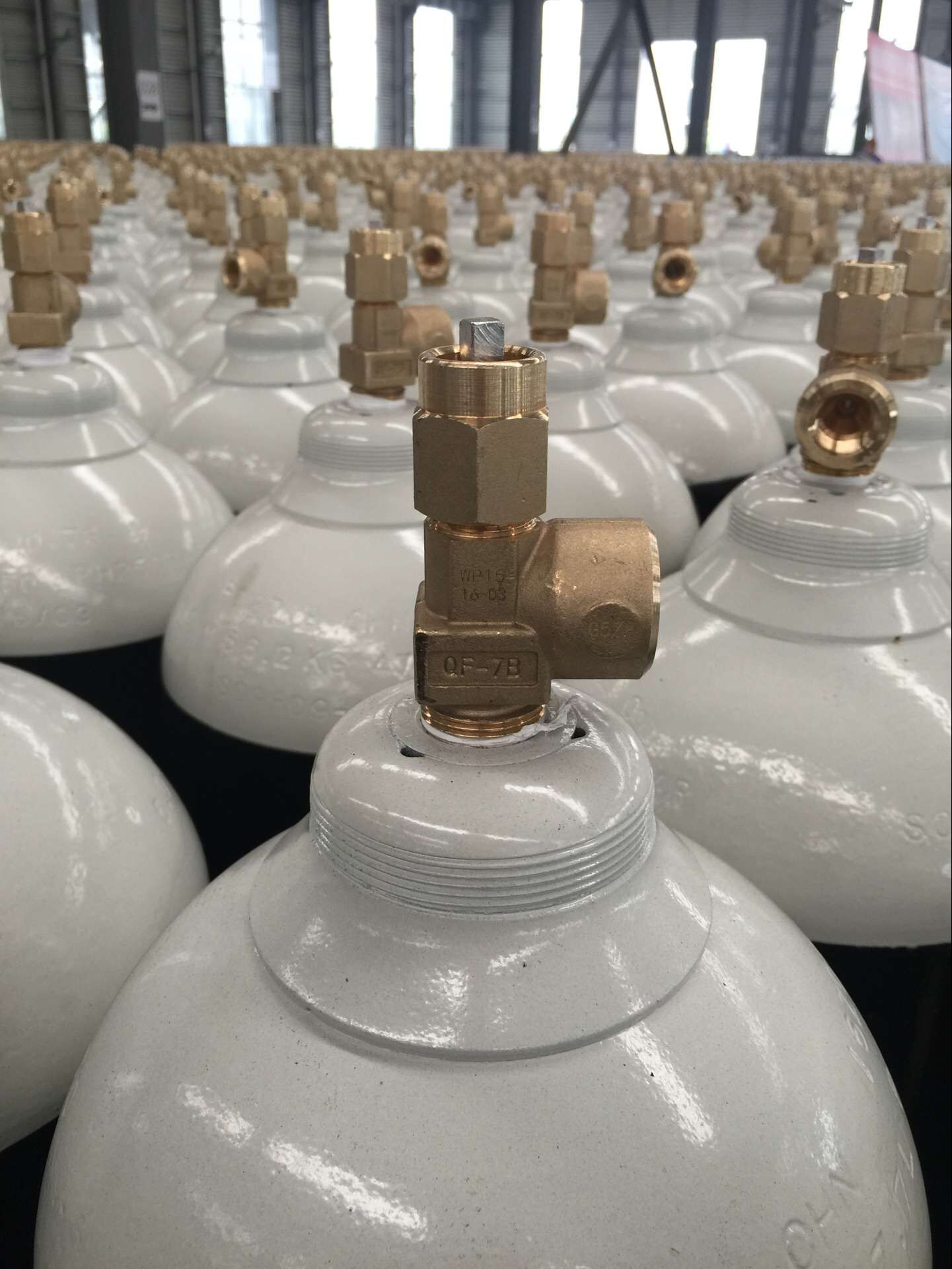
a. On the shoulder of the cylinder, print the following mark with the manufacturer's date of manufacture, the cylinder model, working pressure, air pressure test, and the next delivery date, gas volume, and cylinder weight.
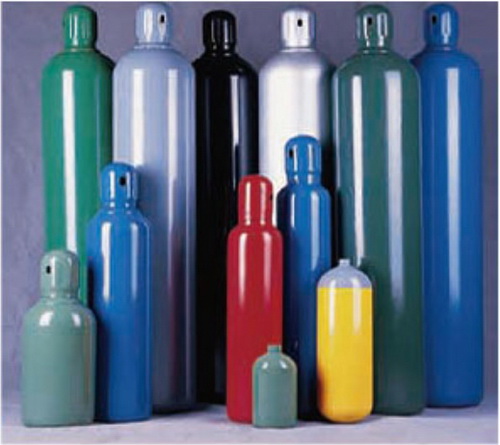
b. In order to avoid confusion in the use of various steel cylinders, the steel cylinders are often painted in different colors, and the name of the gas in the cylinder is writtenfor Nitrogen Gas Cylinder, oxygen cylinder, andAcetylene Cylinder.
2). The pressure reducer selected on the high-pressure gas cylinder should be classified and dedicated, and the screw should be tightened during installation to prevent leakage; when opening and closing the pressure reducer and on-off valve, the action must be slow; the on-off valve should be turned before use , Then open the pressure reducer; after use, close the on-off valve first, and then close the pressure reducer after exhausting the remaining air. Never just turn off the pressure reducer and not turn off the on-off valve
3). When using high-pressure gas cylinders, the operator should stand in a position perpendicular to the gas cylinder interface. It is strictly forbidden to knock and bump during operation, and always check for air leakage, and pay attention to the pressure gauge reading.
4). Oxygen cylinder, Medical Oxygen Cylinder or hydrogen cylinders, etc., should be equipped with profession tools, and no contact with oil. Operators should not wear clothing and gloves that are stained with various greases or are easily induced to generate static electricity to avoid burning or explosion.
5). The distance between combustible gas and combustion-supporting gas cylinders and the open flame should be more than ten meters (if it is difficult to reach, isolation and other measures can be taken).
6). Various gas cylinders must undergo regular technical inspections. Cylinders filled with general gases are inspected once every three years; if severe corrosion or serious damage is found during use, the inspection should be carried out in advance.