
What are the effects of carbon dioxide?
- Fire extinguishing
Carbon dioxide cannot support combustion, and its density is greater than that of air. If carbon dioxide covers a burning object, it can isolate the object from the air and stop burning. Therefore, carbon dioxide can be used to extinguish fires. Some fire extinguishers use carbon dioxide produced by chemical reactions to put out fires.
- Industrial raw materials
Carbon dioxide is also an industrial raw material and can be used in industries such as soda ash, urea and soda.
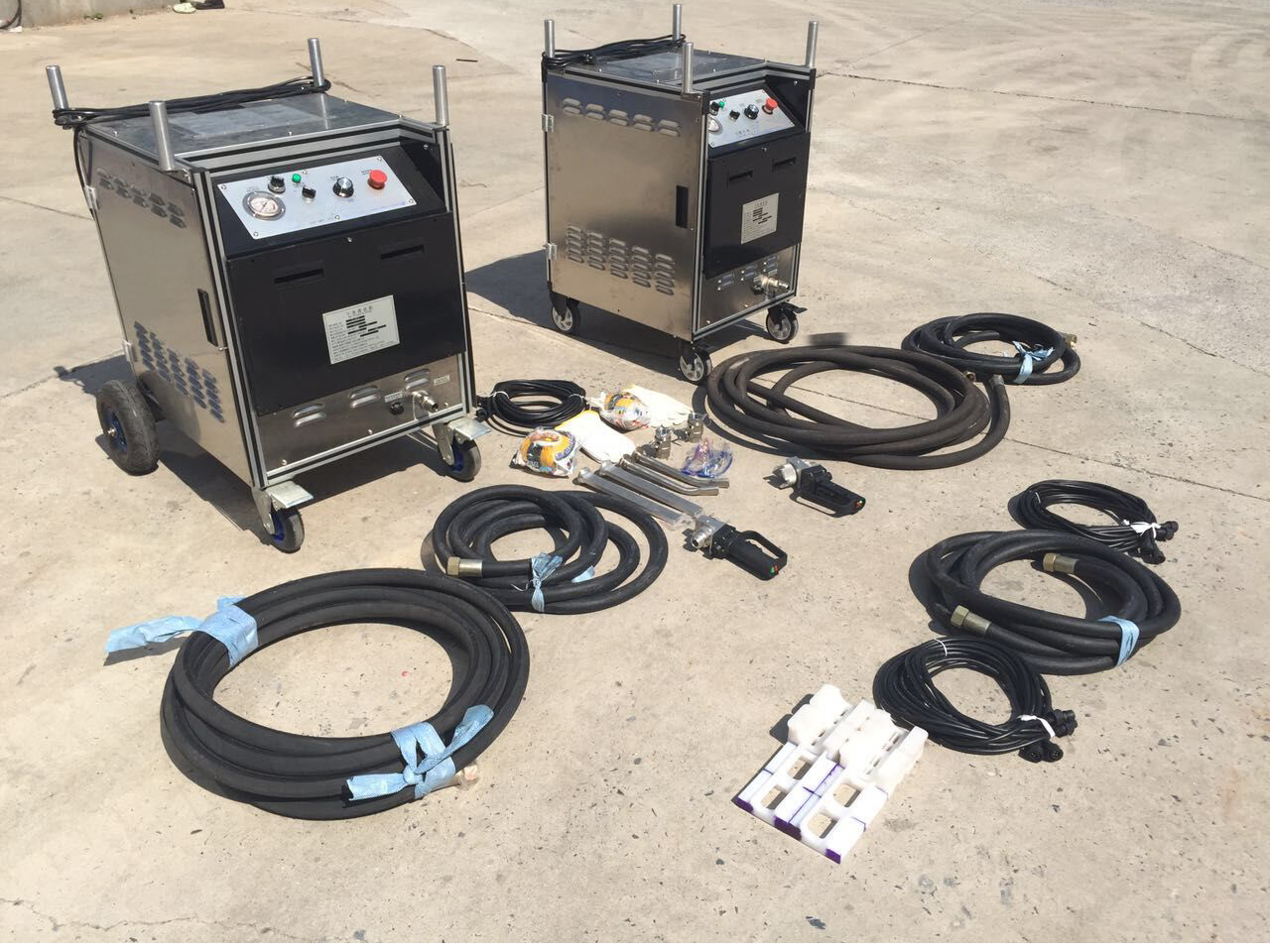
- Dry ice
Dry ice can be used as a refrigerant to preserve perishable foods. Because when dry ice evaporates, it needs to absorb a lot of heat to reduce the temperature of the surrounding air, and there is no liquid left to make the food wet. Dry ice can also be used for artificial rainfall.
- Photosynthesis
Plants need carbon dioxide for photosynthesis. The use of carbon dioxide as fertilizer in greenhouses can increase crop yields. Some scientists believe that doubling the carbon dioxide in the atmosphere will increase the average yield of grain by more than 30%, cotton by more than 80%, and crops such as wheat and rice by 36%.
Source of carbon dioxide:
- Organic matter (including animals and plants) can release carbon dioxide during the process of decomposition, fermentation, decay and deterioration.
- Carbon dioxide is also released during the combustion of petroleum, paraffin, coal, and natural gas.
- Oil and coal also release carbon dioxide in the process of producing chemical products.
- All feces and humic acid can also release carbon dioxide during the fermentation and maturation process.
- All animals inhale oxygen and exhale carbon dioxide in the process of breathing.